What is the right Circular saw blade teeth direction

Often overlooked by novice woodworkers, the direction of a circular saw blade’s teeth plays a crucial role in the performance and safety of the tool.
Understanding the correct orientation can make a significant difference in the quality of cuts, wood splintering, and risk of kickback. In this guide, we will explore into the importance of the teeth direction on a circular saw blade, how to determine the correct positioning, and the potential hazards of neglecting this vital aspect of using a circular saw. Let’s ensure precision and safety in your woodworking projects by mastering this fundamental concept.
Key Takeaways:
- Teeth direction plays a crucial role: Circular saw blade teeth are designed to cut in one direction only, so it’s vital to install the blade with the correct orientation to ensure smooth and efficient cutting.
- Incorrect installation leads to issues: Installing the circular saw blade with the teeth facing in the wrong direction can result in rough cuts, splintering, burning wood, and overall reduced cutting performance.
- Proper alignment is key: Make sure to follow manufacturer’s guidelines for installing the blade with the correct teeth direction to achieve optimal cutting results and prolong the life of your saw blade.

Anatomy of a Circular Saw Blade
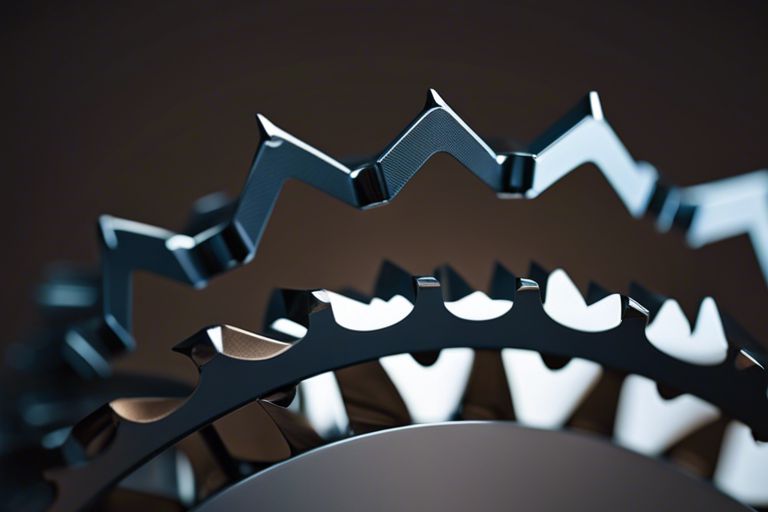
The anatomy of a circular saw blade consists of several key components that work together to ensure efficient and precise cutting. The main parts of a circular saw blade include the body, gullet, teeth, and the kerf. The body of the blade is the circular disc itself, which can vary in diameter and thickness depending on the type of material it is designed to cut. The gullet is the space between the teeth that helps to remove waste material from the cut, while the teeth are the sharp cutting edges that interact with the material being cut. The kerf is the width of the cut made by the blade.
Types of Circular Saw Blades
One crucial aspect to consider when choosing a circular saw blade is the type of blade that best suits your cutting needs. There are various types of circular saw blades available, including rip blades, crosscut blades, combination blades, and specialty blades. Each type of blade is designed for specific cutting tasks, such as ripping or crosscutting different materials. Recognizing the right type of blade for your project is vital for achieving clean and accurate cuts.
| Rip Blades | Designed for cutting along the grain of the material. |
| Crosscut Blades | Best for cutting across the grain of the material. |
| Combination Blades | Can be used for both rip and crosscutting tasks. |
| Specialty Blades | Specifically designed for unique materials or cutting requirements. |
| Multipurpose Blades | Versatile blades for general woodworking projects. |
Understanding Teeth Design and Configuration
With a variety of teeth designs and configurations available, it is important to understand how these factors can impact the performance of a circular saw blade.
The teeth design refers to the shape and arrangement of the teeth on the blade, which can affect the speed, smoothness, and accuracy of the cut.
The configuration of the teeth, such as the hook angle and the number of teeth, also plays a significant role in determining the suitability of the blade for specific cutting tasks.
Blades with a high number of teeth are ideal for making fine cuts in materials like plywood or melamine, while blades with fewer teeth are better suited for fast, rough cuts in softwoods or construction lumber. The hook angle of the teeth influences the aggressiveness of the cut, with a higher hook angle providing a more aggressive but rougher cut compared to a lower hook angle. It is important to choose a blade with the right teeth design and configuration to achieve the desired cutting results.

Correct Direction for Circular Saw Blade Teeth
Determining the Right Direction
All circular saw blades have teeth that cut through the material being worked on. The direction of the teeth is crucial in ensuring a smooth and accurate cut. To determine the right direction, look for arrows or markings on the blade itself. These indicators will show you the correct way to install the blade on your saw.
Common Mistakes to Avoid
The most common mistake when it comes to circular saw blade teeth is installing the blade in the wrong direction. This can result in jagged cuts, kickbacks, and overall poor cutting performance. Make sure to always follow the manufacturer’s guidelines on blade installation to avoid any mishaps.
This simple mistake can lead to dangerous accidents and damage to your workpiece. Always double-check the direction of the teeth before starting any cutting task.
Installing the Blade Properly
Step-by-Step Installation Guide
There’s a proper way to install a circular saw blade to ensure safety and efficiency. Follow this step-by-step guide for a hassle-free installation:
| Step 1: Disconnect the saw from power source. | Step 2: Loosen the arbor nut using the provided wrench. |
| Step 3: Remove the old blade carefully and place the new blade on the arbor. | Step 4: Tighten the arbor nut securely with the wrench. |
| Step 5: Double-check the blade alignment before reconnecting power. | Step 6: Test the saw with the new blade in a safe environment. |
Tips for Ensuring Optimal Blade Performance
Properly installing the blade is crucial for its performance. Here are some additional tips to maximize blade efficiency:
- Keep the blade clean: Remove any debris or resin build-up to prevent overheating.
- Use the right blade for the job: Different materials require specific blade types for best results.
- Monitor blade sharpness: Dull blades can cause kickback and poor cuts.
Ensuring optimal blade performance not only improves the quality of your cuts but also prolongs the life of your saw blade.
By following these tips, you can maintain a safer work environment and achieve precise results consistently. Knowing when to replace a dull blade is crucial to avoid potential hazards.
Troubleshooting and Maintenance
Diagnosing Installation Errors
To ensure your circular saw blade operates efficiently, it is crucial to diagnose any installation errors that may occur. Incorrect installation can lead to poor cutting performance and potential safety hazards. Check for proper alignment of the blade teeth with the rotation direction of the saw to prevent kickbacks and rough cuts.
Regular Maintenance Tips for Blade Longevity
When considering prolonging the life of your circular saw blade, regular maintenance is key. Keep the blade clean and free from pitch and resin buildup after each use to prevent corrosion and blade dullness.
- Store your blade properly in a dry environment
- Use appropriate cleaning solvents to remove pitch and resin buildup
- Inspect the blade for any signs of damage or dullness regularly
An additional tip for maintaining blade longevity is to regularly sharpen the blade or have it professionally sharpened to ensure optimal cutting performance. Knowing when it’s time to replace the blade is also critical in preventing accidents and achieving clean cuts.
- Regular maintenance and sharpening can significantly extend the lifespan of your circular saw blade
- It is recommended to replace the blade if it becomes damaged or excessively dull
To wrap up
With these considerations in mind, it is necessary to pay attention to the direction of the teeth on your circular saw blade. Ensuring they are facing the right way can make a significant difference in the performance of your saw and the quality of your cuts. For more information on how to change a circular saw blade and ensure the proper blade direction, visit How to Change a Circular Saw Blade (+ Blade Direction).
FAQ
Q: What is the importance of the direction of circular saw blade teeth?
A: The direction of circular saw blade teeth is crucial as it determines the cutting efficiency and the quality of the cuts. The correct teeth direction ensures smooth and clean cuts while reducing the risk of kickback and splintering.
Q: How do I determine the correct direction of circular saw blade teeth?
A: To determine the correct direction of circular saw blade teeth, check the rotation direction of your saw. The teeth should point downwards at the front and upwards at the back when the saw is cutting through the material. This configuration ensures the teeth cut smoothly through the material without causing any tear-out.
Q: What are the consequences of using a circular saw blade with incorrect teeth direction?
A: Using a circular saw blade with incorrect teeth direction can lead to rough cuts, tear-out, and an increased risk of kickback. It can also put excessive strain on the motor of the saw, leading to premature wear and potential safety hazards. Always ensure the teeth are facing the correct direction to optimize the performance and lifespan of your circular saw blade.

DIY Projects Perfect for Circular Saws
Here are some exciting DIY projects that anyone can do, from beginner-friendly builds to more advanced woodworking creations. Why …